Unique Challenges of Detailing Classic Muscle Cars

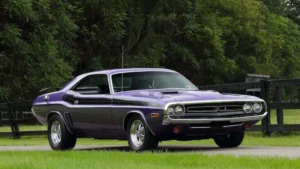
Nothing is like the scream of an old fashioned muscle car. These vehicles are an example of an age of American automotive history; the smooth lines of a Dodge Charger, the confrontational nature of a Chevrolet Camaro. However age comes with its own special problems particularly in keeping them clean, polished and preserved.

Muscular car detailing does not equal modern day daily driver detailing. These vehicles tend to possess weak paint, degraded materials and even decades of wear and tear. Raising them would need patience, aptitude and understanding of their past. We shall plunge into the special issues of the process of detailing classic muscle cars and the ways of overcoming them.

Understanding the Distinct Nature of Classic Muscle Cars

What Sets Muscle Cars Apart From Modern Vehicles

Classic muscle cars were unrefined and styled in bold manner, constructed primarily between 1960-1970s. In contrast to the computerization and advanced coatings of modern cars, muscle cars may have:

  • Thicker sheet metal bodies
  • Simpler mechanical systems
  • Hand-applied paint finishes
  • Trim made from chrome, wood, or vinyl

It is due to this that they need to be elaborated upon in a gentler way.

Importance of Preserving Originality and Patina

To the collectors, originality is important. An automobile whose factory paint has worn away or has been damaged by the weather, but whose chrome trim has not been repainted, is frequently worth more than one that appears to be in fine condition but has been over-restored. Detailers should leave the character which makes these cars special without erasing.

Common Materials and Finishes Found in Muscle Cars

Muscle cars have many of the following:

  • Lacquer-based paint jobs
  • Chrome bumpers and trim
  • Interiors made of natural leather, vinyl, or cloth.
  • Wood dashboards or accents that are real.

All of these substances require particular cleaning procedures and substances.
Challenges in Cleaning and Polishing Classic Paints

Challenges in Cleaning and Polishing Classic Paints

Dealing With Old or Fragile Paint Layers

Lots of vintage vehicles are painted in their original color. Exposure to sun and weather may lead to fading, cracking or oxidation over the decades. These thin layers might be removed by aggressive polishing. Rather, detailers frequently turn to soft polishes and handwork.

Avoiding Damage to Factory Clear Coats

Clear coats are not even present on all older cars. Single-stage paints which demanded a lighter hand were used by many. The finish can be burnt through with modern polishing tools that have powerful compounds. Softwaxes and gentle cleansers are less damaging to save the surface.

Techniques for Restoring Shine Without Over-Restoring

Restoring does not mean that it has to look like a new one. For example:

  • Clean off the surface using a clay bar.
  • Use a weak glaze to restore depth without going too deep.
  • Seal with natural waxes, rather than extensive synthetic sealants.

It is a matter of balance–do not make it glossy and lose its age-democratic appearance.

Handling Rust and Corrosion During Detailing

Identifying Surface Rust vs. Structural Issues

Chrome bumpers or wheel wells are often covered with surface rust. Light abrasion and rust-neutralizing products may often clean it. Structural rust, in its turn, requires professional restoration. It is the task of a detailer to conserve and not to restore.

Safe Rust Removal Methods for Classic Cars

  • Wipe chrome with fine steel wool (0000 grade) with a lubricant.
  • Use rust removers sparsely not to harm the surrounding paint.
  • Always wipe the area neutral and close.

Preventing Future Rust After Cleaning

Vintage metal is the victim of moisture. Protective waxes, sealants or rust inhibitors. When storing the car; make sure it is kept in a dry place that has proper ventilation.

Interior Detailing Challenges Unique to Muscle Cars

Caring for Vintage Upholstery and Trim Materials

Old fashioned interiors are usually covered with vinyl or cloth which gets brittle after some period. Strong cleaners to be avoided–use soft soaps, or specialty conditioners, to maintain the seats soft and not cracked.

Cleaning Without Damaging Fragile Dashboard Components

The new dashboards may be distorted or go dark with extreme chemicals. Wipe with microfiber cloths and use ph neutral cleaners, do not wet the surface.

Maintaining Original Wood, Leather, and Vinyl Surfaces

Muscle cars may have maximum artificial oils since they may be covered with real wood trim or leather. Leather conditioners and wood polishes can be added without change of originality to restore life.
Understanding the Distinct Nature of Classic Muscle Cars

Engine Bay and Mechanical Detailing Considerations

Cleaning Without Disrupting Vintage Components

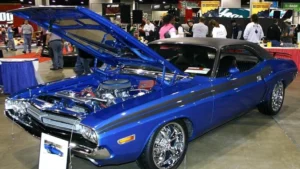
The car engine bays of muscle cars are showcased and may be adorned with carburetors, chrome valve cover, and custom paint. But there are numerous parts, which are fragile. Do not use high-pressure washes, use:

  • Brushed on degreasers.
  • Wiping towels made of microfibers to clean painted surfaces.
  • Tight spot compressed air.

Handling Delicate Wiring and Older Materials

With time, rubber hoses and wiring may be brittle. Cracking may be caused by harsh cleaning or being exposed to high concentrations of cleaners. Never clean without first checking.

Using Appropriate Degreasers and Protectants

Use water based degreasers instead of solvents that are harsh. Coat rubber and plastic and follow up with plastic and rubber conditioners to avoid cracking.

Dealing With Aftermarket Parts and Modifications

Identifying Period-Correct vs. Modern Upgrades

Most muscle cars are customized by adding modern components- custom wheels, better stereo or performance additions. To select a cleaning strategy, a detailer must understand what aspects are original, and which are aftermarket.

Adjusting Detailing Techniques for Different Materials

The modern upgrades are regularly powered-coated metals, carbon fiber or synthetic leather. These need other products as compared to vintage chrome or real leather.

Balancing Restoration With Modern Enhancements

The description must also give attention to the history of the car and at the same time must give way to modernity. The difficulty is in the unfreezing of the old and the new to occur in harmony.

Tools and Products Best Suited for Muscle Car Detailing

Selecting Gentle Polishes and Cleaners

Hardly soluble compounds can damage older finishes. Instead, use:

  • Mild polishing glazes
  • pH-balanced soaps
  • Wax-based protectants

Using Microfiber Towels and Soft Brushes

Paint, chrome and old fabrics require non-abrasive equipment. Microfiber towels will not produce scratches, and soft brushes will not tear materials to clean vents and seams.

Products That Protect Without Masking Patina

The patina, or natural aging on an object, is usually appreciated by collectors. Select products that are good in terms of shine and protection without giving the car an unnatural look of newness.

Tips for Maintaining a Classic Muscle Car After Detailing

Storage and Environmental Considerations

Climate controlled garages are the best places to keep classic cars. They should not be exposed to prolonged sunshine or humid weather which helps rust and fade.

Regular Maintenance Without Over-Cleaning

The heavy amount of detailing done can cause wear to older materials. Rather, bevel dust the inside, spray on exteriors in quick detail sprays, and clean deeply once or twice annually.

Protecting the Car’s Value and Historical Integrity

Each detailing option has an impact on the price of the car. Authenticity can be diminished by over-polishing, replacement of original parts or use of incorrect products. Always strive to conserve instead of to destroy.

Conclusion

Washing classic muscle cars is not simply about washing, it is preserving history. Every scratch, chrome trim or original seat shares a story about the car. The tools available nowadays simplify the task of detailing, but have to be applied cautiously to older materials. The most appropriate is a combination of up-to-date techniques with the admiration of the ancient art of craft. Patience is key. Be it wiping a dashboard or polishing chrome, it will take time and careful usage to make sure that the car still looks good in years to come.

To explore more professional detailing services designed for classic muscle cars, visit AZ Detailers. Their team specializes in preserving the beauty and history of vintage vehicles with techniques that protect, restore, and respect originality. For results that keep your muscle car looking legendary, Izzy’s Auto Detailing is your trusted partner.

Detail Transparent Roofs and Panoramic Sunroofs

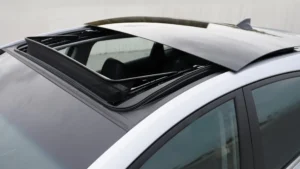
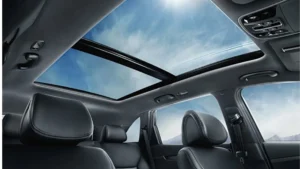
The transparent roof or panorama sunroof is one of the most favored new features of modernity. These broad glass hoods allow natural light to flood into the cabin and provide drivers and passengers with a light and open effect with each ride. They also contribute to the luxury and the general appeal to the car.

But on the one hand, they look gorgeous; on the other, however, they require special treatment. In comparison to the ordinary metal roofs, the transparent roofs and panorama sunroofs will need a meticulous piece of work to maintain their cleanliness, functionality, and safety. Their appearance and performance can be affected by dust, water spots, UV rays, and even the smallest scratches. There is a way to keep that clear, flawless view above your head.

Understanding Transparent Roofs and Panoramic Sunroofs

As opposed to a painted metal roof, transparent roofs are constructed of glass or strong plastics such as acrylic or polycarbonate. They tend to be wider in the entire roof of the vehicle and thus more vulnerable to the sun, dirty weather and rain. A few panoramic roofs are even fitted with moving elements, such as sliding glass or tilting sections, requiring additional attention to detailing.

Types of Transparent Roofs (Glass, Acrylic, Polycarbonate)

  • Tempered Glass RoofsMost of the modern cars have these; they are strong and cannot break easily, though they can get spots and scratches of water.
  • Acrylic RoofsLight and cheaper, however more likely to scratch.
  • Polycarbonate RoofsPolycarbonate is more robust than acrylic and is lighter than glass, yet is susceptible to abrasive cleaners as well.

Common Features and Challenges

These roofs often include:

  • UV protection layers to reduce sun damage.
  • Tinting or coatings for better comfort.
  • Rubber seals and tracks to prevent leaks.

The challenges? Hard to remove water spots, darkened by UV rays, seal repairs, and ensuring moving components are well-maintained and oiled.

Preparing to Detail Transparent Roofs

Understanding Transparent Roofs and Panoramic Sunroofs

Inspecting for Damage, Scratches, or Seals Issues

Inspect Before cleaning:

  • Identify cracks, chips, or scratches that may get worse as the details are being done.
  • Rubber marks to see whether the signage is worn out or dry.
  • Check the movement of the sunroof and make sure that there is no sticking or grinding.

Choosing the Right Environment and Tools

Detailed in a dust-free/shaded area. Direct sunlight may dry cleaning solutions too quickly leaving streaks. Use:

  • Soft microfiber cloths
  • Non-abrasive sponges
  • A brush with soft bristles and seals and edges.

Selecting Safe Cleaning Products

  • Apply glass roofs with ph balanced glass cleaners.
  • In the case of acrylic or polycarbonate, use plastic-safe cleaners, or it will cloud.
  • Use no ammonia-based products, which will destroy tints and coatings.

Cleaning Techniques for Transparent Roofs and Sunroofs

Washing Without Causing Scratches

It is always advisable to begin by sprinkling the roof with clean water, to loosen dust and debris. Wash the surface with a two bucket technique (one bucket with soapy water, and one bucket with rinsing water). Wipe with straight motion rather than circular to prevent swirl marks.

Cleaning Interior and Exterior Surfaces

  • Exterior: Minimize the use of bird droppings, tree sap and water spots by using a safe cleaner.
  • Interior: Wipe with a glass cleaner using a microfiber cloth so that it does not streak. Be mindful of the dust collection edges.

Handling Stubborn Dirt, Water Spots, and Debris

  • Water Spots: Apply a special water spot remover that will not damage glass or plastics.
  • Tree Sap: A small amount of isopropyl alcohol, diluted in water, should be used but make the test on a small area first.
  • Debris in Tracks: Clean up dirt used on mechanisms with compressed air or a soft brush without damaging mechanisms.

Polishing and Protecting Transparent Roofs

When and How to Polish Glass vs. Plastic Roofs

  • Glass Roofs: Can be buffed with glass-polishes to even out scratches (finer scratches are difficult to remove) and haze.
  • Plastic Roofs: Could use plastic polishes, which are made specifically to be used in acrylic or polycarbonate as well because other compounds can damage the surface.

Maintaining Seals and Mechanisms

Applying UV Protectants and Sealants

  • Seal using a ceramic or hydrophobic coating to keep water out and be able to clean it more easily.
  • In the case of plastics use UV protectants to avoid yellowing and fading.

Avoiding Common Mistakes That Cause Damage

  • Do not apply rough towels on transparent roofs or paper towels.
  • Do not use high pressure washers over seals.
  • Be careful not to over polish particularly on acrylic or polycarbonate.

Maintaining Seals and Mechanisms

Checking and Cleaning Rubber Seals

Wipe using a dry microfiber cloth. Coat them with a rubber conditioner, so that they will remain pliable and not crack and leak or make wind noises.

Lubricating Moving Parts of Panoramic Sunroofs

In case your sunroof slides, drip some lubricant based on silicone material on the tracks and moving parts. Use petroleum free products that do not damage rubber.

Preventing Leaks and Wind Noise

  • Keep seals free of dirt.
  • Ensure tracks are lubricated but not overloaded with grease.
  • Test your sunroof after cleaning to make sure it closes smoothly.

Special Considerations for Different Roof Materials

Care for Tempered Glass Roofs

These are hard yet tend to get water spots. Apply a good glass cleaner and apply a hydrophobic coating on top of it.

Cleaning Acrylic and Polycarbonate Roofs

Only plastic cleaners should be used. Do not use abrasives and other harsh chemicals. Light polishing at all times to avoid damaging the surface.

Handling Tinted and Coated Roof Surfaces

Coloured or painted roofs are to be cleaned with ammonia-free cleaners. Products containing abrasive elements may be able to destroy the layer of the tint and cause peeling or fading.

Seasonal Care and Long-Term Maintenance

Protecting Roofs in Harsh Weather Conditions

  • Use UV protectants frequently in the summer.
  • During winter, be careful when clearing snow with soft brush (do not use metal scrapers).
  • Check the seals on the checks to avoid leakages especially in rainy seasons.

Regular Inspection Schedules

  • Monthly: Wash interiors and outside.
  • Every 3–4 months: Use a protective sealant.
  • Yearly: Professionally examine seals and moving parts.

When to Seek Professional Help

  • Scratches or cracks in the roof, deep.
  • Perennial seals.
  • Mechanisms that are stuck or do not open on the sunroof.

Conclusion

Having a clear and clean transparent roof enhances visibility and comfort and also the overall look of your car. It is also good for maintaining the value of your car. It could be a clear night sky or a heavy sun, either way, with proper care you can be able to enjoy your roof as intended. Clear roofs are an investment in the style and the functionality. Through regular cleaning, polishing and seal maintenance they will be able to look new and run well many more years to come. In order to maintain your panoramic roof in the best condition and have the benefit of a brighter and cleaner driving experience, do not hesitate to rely on the professionals.
To explore more, visit AZ Detailers and discover professional solutions for every part of your vehicle.


How often Should you get Exterior Detailing Done?

Maintaining the exterior of your vehicle in a clean and well-maintained appearance is necessary not only because of its appearance, but also for the preservation of its value in the long run. Exterior detailing is a thorough cleaning and protective treatment that is more than a basic wash. Someone may ask how frequently this significant service should be performed. Understanding the proper frequency of exterior detailing can also keep your vehicle in the best condition and the paint finish may last longer.   

What Is Exterior Detailing and Why Does It Matter   

Exterior detailing is a comprehensive cleaning and restoration process that pays attention to all exterior parts of a car, like paint, wheels, windows and body trim. Detailing, in contrast to a very basic wash, strips out deeply rooted dirt, contaminants, oxidation, and minor scratches and scars to restore the finish and shine of a vehicle. 


Specialized processes are usually used to perform this, including washing, clay bar treatment, polishing and applying protective wax or sealants. Exterior detailing is important as it keeps your car out of environmental harm, such as UV rays, acid rains, and road dirt. Frequent detailing not only boosts curb appeal but also adds value to the car.

What Is Exterior Detailing and Why Does It Matter  

Exterior Detailing Frequency  

Exterior detailing frequency varies with various factors, including frequency of driving, the place of residence and the condition of the vehicle. In general, cars need to get a complete exterior detailing every 4 to 6 months. The schedule assists in keeping a clean, shiny look without damaging the paint due to the weather. 


You need to wash your vehicle every 3 to 4 months to avoid paint wearing off, rust, and accumulation of dirt, especially during compressed commute or harsh climatic conditions such as snowy, salty roads or excessive sunlight. Conversely, a car parked indoors or used fewer miles can generally be detailed twice per year and managed to retain its finish.


Regular outside detailing will not only ensure your vehicle remains in a fine state but will also improve the resale value and the life of the paint.    


Vehicle Use / Condition

Recommended Exterior Detailing Frequency

Daily Driver in Harsh Conditions

Every 3 to 4 months

Regular Daily Driver

Every 4 to 6 months

Occasionally Driven / Garaged

Every 6 to 12 months

Show Cars / Collector Vehicles

Every 2 to 3 months

After Seasonal Changes (Winter, Summer)

Additional detail recommended

Key Factors That Affect Detailing Frequency

The frequency with which you need to treat the outside of your car to keep it in good condition depends on some crucial factors:  

Driving Habits: 

The more that you commute, particularly in towns that have heavy traffic, dirt and pollution, the more your car will require a detailing. Off-road or spending time in the country also means getting mud, gravel and other debris that in turn have to be cleaned.

Climate and Weather: 

Painting may also be damaged and corroded in harsh weather like extreme sunshine, rain, snow, and salt found on roads. Very high frequency should be used on vehicles in salty areas or during snow and inclement weather.

Storage Conditions: 

Parked vehicles are always exposed to UV rays, bird droppings, tree sap and air pollution, thus requiring more frequent detailing. Vehicles that are parked indoors or in the garage usually need regular reduced service.

Vehicle Type and Usage: 

High-end cars and luxury cars usually demand greater detail in order to keep their finishes clean. Both utility and off-road vehicles used on rough surfaces require increased care.

Protective Treatments: 

Cars with protection finishes, such as ceramic or paint protection film, might require a less frequent detailing schedule, yet they still should be serviced regularly to maintain the effectiveness of such services.

Personal Preferences: 

There are car owners who want their car to be showroom-ready all year round and do their cars details almost monthly. Other people can work with less attention to detail one or two times a year.

Why You Should Hire a Professional for Exterior Detailing  

The benefits of hiring a professional include having your vehicle handled by an expert, with modern equipment and quality products that will produce stunning and durable results. Professionals are trained and know how to safely remove stubborn contaminants, lay down shine and use wear-resistant protective coats that cannot be duplicated by DIY methods. Hiring a professional service can save you time, reduce the risk of damage and improve the overall appearance and value of your vehicle.


To have trusted, professional exterior detailing, get in touch with AZ Detailer today. Excel and feel the comfort and cleanliness that gets your car looking as good as it can be!  

Conclusion

The exterior of your vehicle should be clean and secure to ensure the preservation of value and appearance. Frequent exterior detailing, accomplished at a reasonable frequency depending on how and where you drive, may help eliminate any damage and make your car appear brand new. With professional detailing and DIY repair, you can experience a beautiful, protected finish all year round. 


DIY vs professional exterior detailing

A vehicle must maintain its exterior to keep its appearance and value. As far as the exterior detailing is concerned, the owners of the car usually have a dilemma: whether they should do it by themselves or give the job to a professional. Either of these options has its pros and cons, which are mainly determined by your available budget, time, and the level of care you want to provide to your car. We will present you with the differences between a DIY and a professional exterior detailing so that you can figure out which one is best for your needs.

What Is Exterior Detailing?

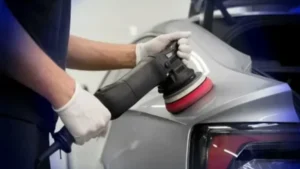
Exterior detailing includes a vehicle’s outside cleaning and restoration process, done thoroughly. The main idea in detailing is the removal of all the limitations, which are also dirt, dust, and pollutants, that can even be invisible on the paint, wheels, windows, and other exterior parts of your car. In this endeavor, the vehicle gets deep cleaning, clay bar treatment, polishing, and waxing or sealing are done simultaneously. The procedures are deep cleansing, abrasive cleaning with clay bar to eliminate embedded particles, mid-scale polishing to remove minor scratches and swirl marks, and the use of wax or sealers to protect and brighten the car’s shine.

DIY Exterior Detailing

DIY exterior detailing lets you take control of your vehicle’s care by handling the cleaning and protection yourself. It is a cost-effective and satisfying way to maintain your car’s appearance on your own schedule.

Pros of DIY Detailing

  • Saves money on labor costs.
  • Allows full control over products and timing.
  • Provides personal satisfaction from doing it yourself.
  • Flexible scheduling that fits your availability.

Cons of DIY Detailing

Exterior Detailing

  • Time-consuming, especially for beginners.
  • Risk of paint damage from improper techniques.
  • Results may be less polished than professional work.
  • Requires learning and practice for best outcomes.

Professional Exterior Detailing

Professional exterior detailing provides expert care using advanced tools and high-quality products. It offers a thorough and efficient service that restores and protects your vehicle’s finish with lasting results.

Pros of Hiring a Professional

  • Expert knowledge and experience.
  • Use of advanced tools and premium products.
  • Saves you significant time and effort.
  • Provides longer-lasting paint protection.

Cons of Professional Detailing

  • Higher cost due to labor and materials.
  • Requires scheduling and potential wait time.
  • Less personal control over the detailing process.

Cost Comparison

When deciding between DIY and professional exterior detailing, cost is an important factor to consider. Choosing between these options depends on your budget, how frequently you want the service, and the value you place on convenience and expertise.

Cost Aspect

DIY Detailing

Professional Detailing

Initial Investment

$50 – $300 (products & tools)

N/A

Average Single Session Cost Minimal (replenish supplies)

$100 – $500+

Frequency Recommendation

Weekly to monthly

Every 3-6 months

Time Commitment

Several hours per session

Few hours per service

Long-Term Cost

Lower overall

Higher overall

When to Choose DIY Over Professional

Exterior Detailing

Deciding to detail your car by yourself is a fantastic method to save money and if you like doing things manually. It really is the best way to take care of your vehicle regularly, especially if you have the time for it. If you prefer to have full control over the products used or if you like to learn and improve your detailing skills, DIY is the right choice for you.

Moreover, the DIY method of car detailing can be a good fit for those with easy requirements, like cleaning the car from dirt and maintaining the vehicle’s neat look, without needing to do an intensive paint correction or applying protective treatments. If the car’s convenience and high-end finishes are not crucial for you and if you are on a tight budget, then doing your car detailing by yourself would be an excellent option.

Conclusion

The decision to do exterior detailing on your own or hire professionals is largely influenced by your budget, time availability, and the results you want. On the one hand, doing it yourself offers you the freedom of choice and money savings. On the other hand, professional detailing assures you that the experts will take care of your vehicle and that it will be protected for a long time. If you want the best quality of the car’s exterior with the help of a professional, you can rely on AZ Detailers. Preserve your automobile’s finish and feel the great difference that professional treatment brings to your vehicle.

Key Differences in Professional Detailing

Professional detailers employ specialized techniques and products that set them apart from casual car cleaning. Here are the main aspects that distinguish their work:

Techniques

  • Thorough Cleaning : Professionals perform deep cleaning, focusing on both the interior and exterior of the vehicle. This includes hand-washing, waxing, and polishing.
  • Paint Correction : They often use advanced methods to remove scratches and imperfections from the paint, enhancing the vehicle’s appearance.
  • Interior Detailing : This involves cleaning and conditioning leather, upholstery, and carpets, often using specialized tools and products.

Products Used

  • Professional-Grade Products : Detailers typically use higher-quality, professional-grade cleaning and protective products that are more effective than consumer-grade options.
  • Specialized Tools : They utilize tools like dual-action polishers, steam cleaners, and high-quality microfiber cloths to achieve superior results.

Customer Engagement

  • Personalized Service : Professionals often tailor their services to meet individual customer needs, providing recommendations based on the vehicle’s condition and the owner’s preferences.
  • Maintenance Packages : Many detailers offer maintenance packages that include regular cleaning and touch-ups, ensuring the vehicle remains in top condition.

Business Practices

  • Market Research : Successful detailers conduct market research to understand customer needs and pricing strategies, ensuring they remain competitive.
  • Branding and Marketing : They often invest in branding, such as custom packaging for products, to enhance customer experience and loyalty.

These practices contribute to the high standards and results that professional detailers are known for, making their services distinct from regular car washes or DIY cleaning.

Signs Your Car Needs Detailing

Exterior Indicators

  • Dull or Swirled Paint : If your car’s paint looks lackluster or has swirl marks, it may need professional polishing. These imperfections can be caused by improper washing techniques and can diminish your vehicle’s appearance.
  • Scratches and Scuffs : Noticeable scratches or scuffs on the exterior indicate that your car’s protective coating is compromised. A detailing service can buff these out and apply a fresh coat of wax for protection.
  • Dirty Windshield and Foggy Headlights : If your windshield is grimy or your headlights appear cloudy, it’s time for detailing. Professionals can restore clarity, improving visibility and safety.

Interior Indicators

  • Lingering Odors : Persistent smells, even after cleaning, suggest deeper issues like mildew or trapped moisture. Professional detailing can neutralize these odors effectively.
    Accumulated Dirt and Debris : If you notice dirt, crumbs, or pet hair that regular cleaning can’t remove, it’s a sign that your car needs a thorough detailing. Detailers have specialized tools to reach embedded dirt.

General Maintenance Needs

  • Seasonal Hazards : Environmental factors like pollen, road salt, and tree sap can damage your car’s exterior. Regular detailing helps remove these harmful substances and protect your paint.
  • Preparing to Sell : If you plan to sell your car, detailing can enhance its appearance and potentially increase its resale value by addressing visible wear and tear.

Recognizing these signs can help maintain your vehicle’s appearance and longevity

Overview of Ceramic Coating – Is it Worth It?

Ceramic coating is a protective layer applied to a vehicle’s paint. It offers several benefits, including enhanced protection against contaminants, scratches, and UV rays. This coating is designed to bond with the paint, creating a semi-permanent layer that improves the vehicle’s appearance and makes it easier to clean.

Benefits of Ceramic Coating

  • Durability : Lasts several years, providing long-term protection compared to wax.
  • Hydrophobic Properties : Repels water and dirt, making cleaning easier.
  • Scratch Resistance : Offers better protection against minor scratches than traditional waxes.
  • UV Protection : Shields paint from harmful UV rays, reducing fading.

Considerations Before Applying

  • Cost : Ceramic coatings are more expensive than traditional wax or sealants.
  • Preparation : Proper surface preparation is crucial for effective application. This may involve paint correction and thorough cleaning.
  • Maintenance : While they reduce the frequency of washes, regular maintenance is still required to maintain the coating’s effectiveness.

Who Should Consider Ceramic Coating?

Ceramic coating is ideal for vehicle owners who :

  • Keep their cars in good condition and want to maintain their appearance.
  • Prefer a low-maintenance solution for paint protection.
  • Are willing to invest in a long-term protective solution.

However, it may not be suitable for everyone, especially if the vehicle is older or has significant paint imperfections. In such cases, traditional wax or sealants might be more appropriate